
Passenger Guide
How Airport Security Screening Works
What the machines look for and how to get through faster
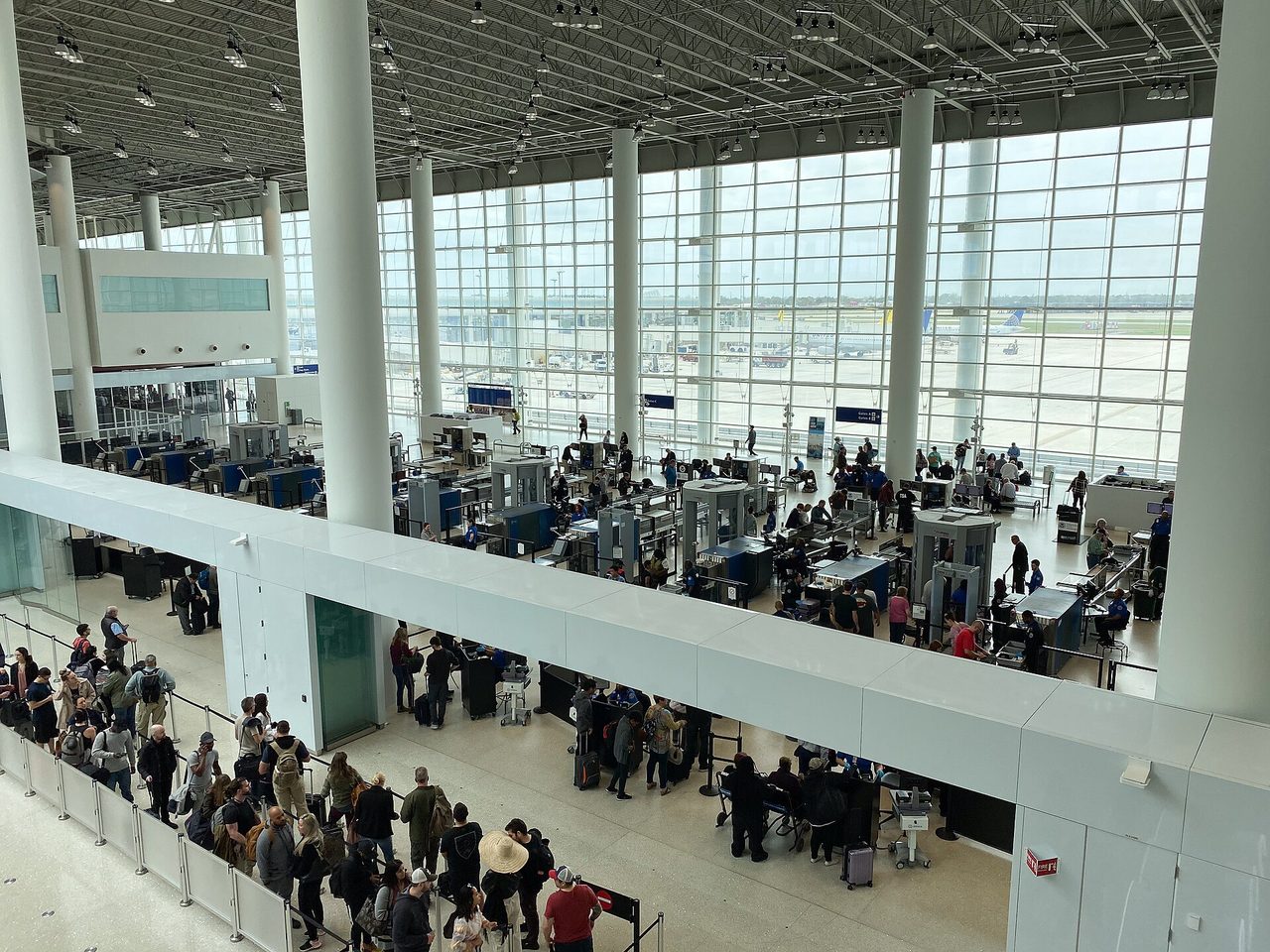
Every checkpoint runs the same basic sequence: identity and boarding pass check, divestment into trays, image screening of bags, body screening of people, and a resolution step for anything flagged.
Delay almost always comes from the divestment step, where passengers discover the liquids rule for the first time. Prepare in the queue and the rest is quick.
The sequence in order
- Document check: boarding pass and, on international flights, a passport.
- Divestment: liquids bag and large electronics into a tray, coats and belts off.
- X-ray or CT scanning of bags, increasingly in three dimensions.
- Body screening by walk-through detector or millimetre wave scanner.
- Resolution: a swab, a bag search or a pat-down for anything unresolved.
Getting through faster
- Empty your pockets into your bag before you reach the belt, not at the tray.
- Keep the liquids bag at the very top of your cabin bag.
- Avoid belts with large buckles and shoes with metal shanks.
- Choose a lane with business travellers rather than one with families and holiday luggage.
Medication, medical devices and mobility
- Declare liquid medication; it is exempt from the 100 ml limit but is screened separately.
- Pacemakers, insulin pumps and similar devices: tell the officer before you step into a scanner.
- Wheelchair users are screened in place, with an offered private screening option.
- Prosthetics and implants routinely trigger alarms and are resolved with a simple check.
If you are pulled aside
Secondary screening is routine and often random. Stay with your belongings, ask for them to remain in sight, and answer the questions asked. You may request a private screening and a witness at any point.
After the checkpoint
Repack away from the belt so the queue keeps moving, then check the departure screens immediately. Gate information often appears while you are in the queue, and some gates are a long walk away.
Frequently asked questions
- Do I have to take my laptop out?
- At older checkpoints yes. Where modern CT scanners are installed, signs will say that laptops and liquids can stay in the bag.
- Can I refuse the body scanner?
- Usually yes, in which case a pat-down is performed instead, and you can ask for it to be done privately.
- Is fast track worth buying?
- At busy hub airports during peak hours, often yes. At quiet times it saves very little.
- Can I bring medication through security?
- Yes. Declare it, keep it accessible and carry a prescription or letter for larger quantities and liquids.
Read next
Carry-On Baggage Rules Explained
Cabin baggage rules are simpler than they look. Size, weight and liquids account for nearly every problem at the gate.
7 min read
How Early Should You Arrive at the Airport
Two hours and three hours are averages, not answers. Build your arrival time from the steps your specific trip requires.
7 min read
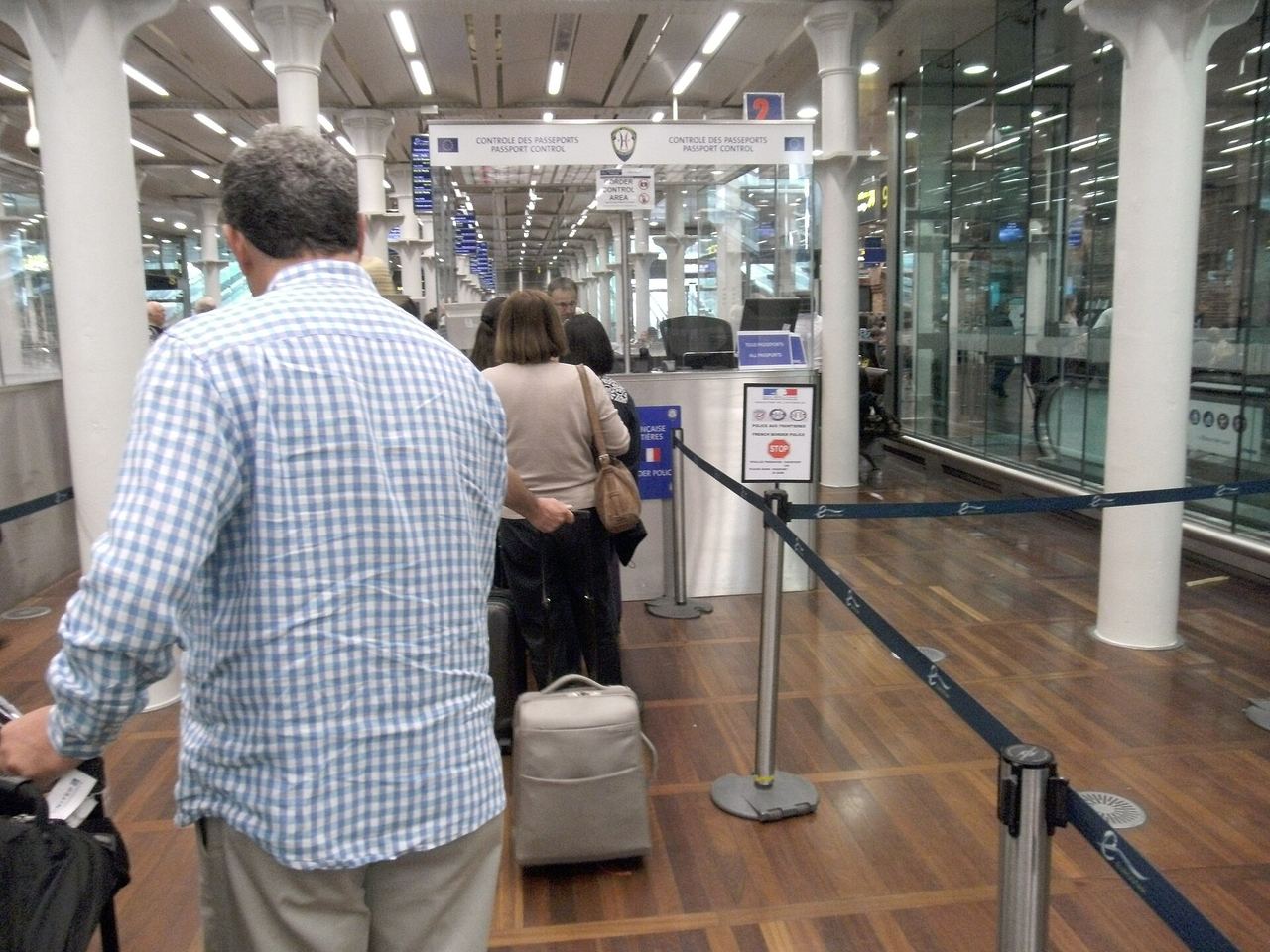
Travel Documents and Passport Requirements
Airlines are fined for carrying passengers who cannot enter their destination, so they check documents strictly. Here is what they look for.
8 min read
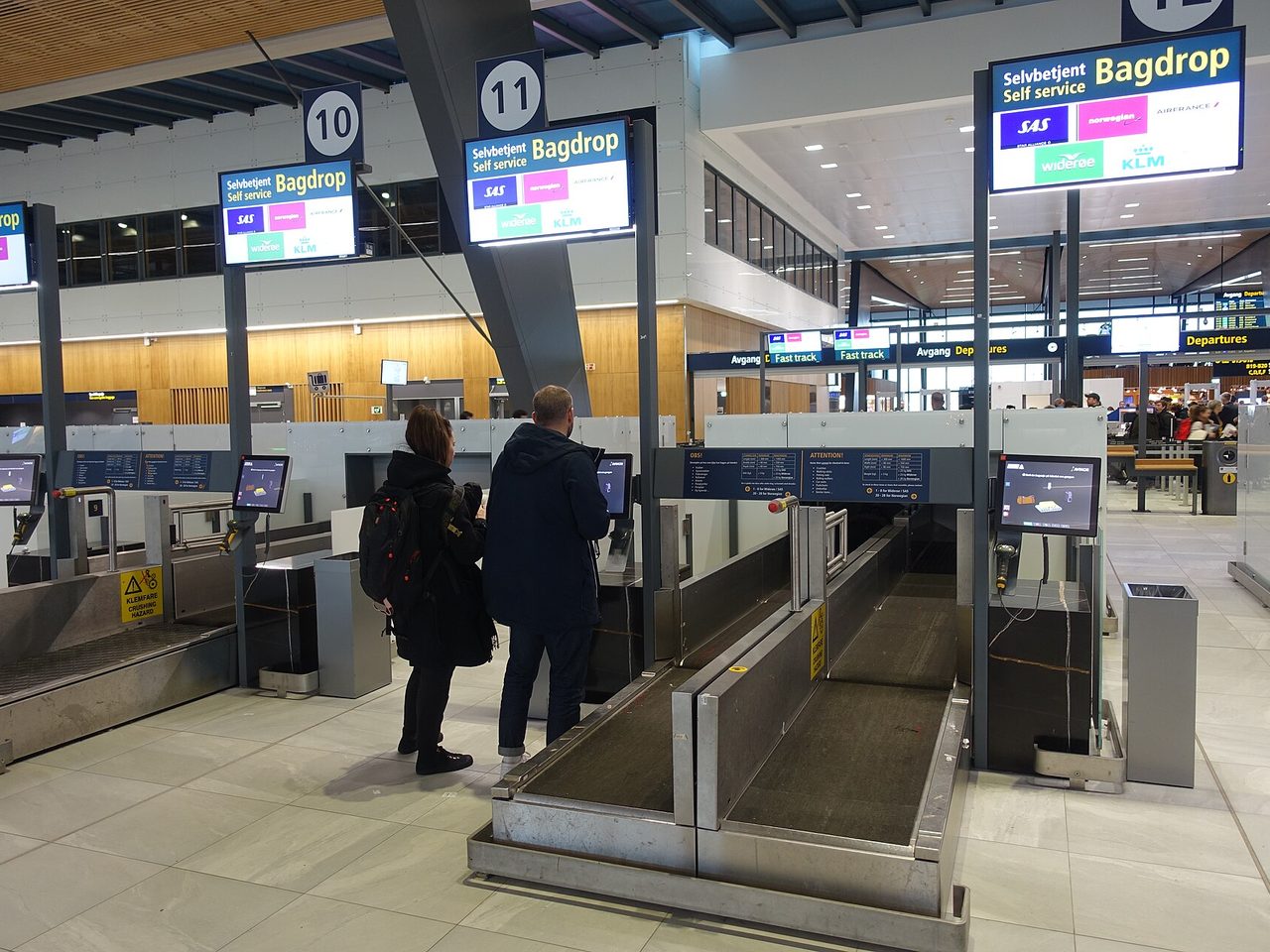
How Checked Baggage Works
Understanding weight rules, tags, transfers and prohibited items removes most of the friction from bag drop.
8 min read