
Airport Guides
JFK Airport Guide
John F. Kennedy International Airport, New York
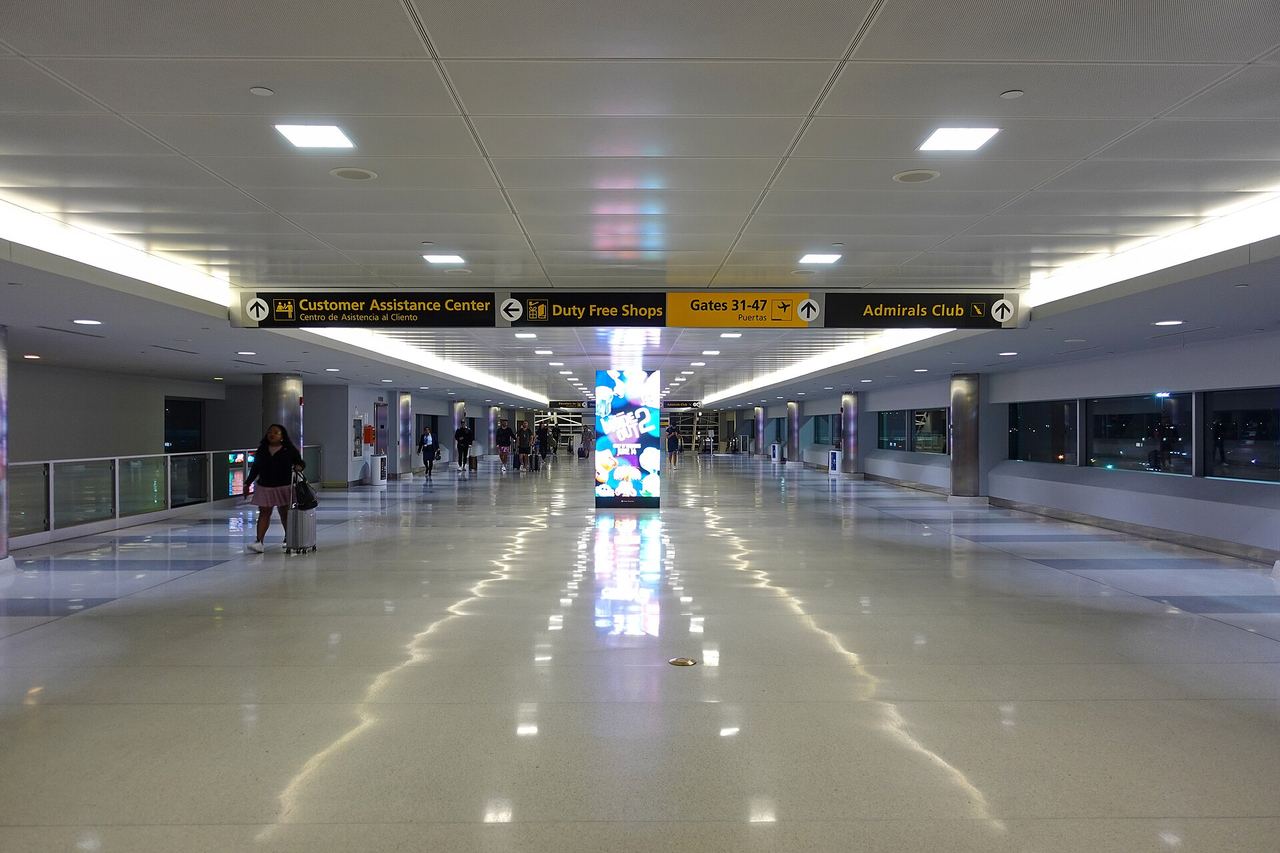
JFK is not one building. It is a ring of separate terminals connected by a driverless train, and almost every practical decision you make here depends on which terminal your flight uses. A connection that looks simple on paper can involve a train ride, a second security check and a long walk.
This guide covers the layout, the transport options into New York City, and the services that matter when you are tired and short of time.
Terminals and how to move between them
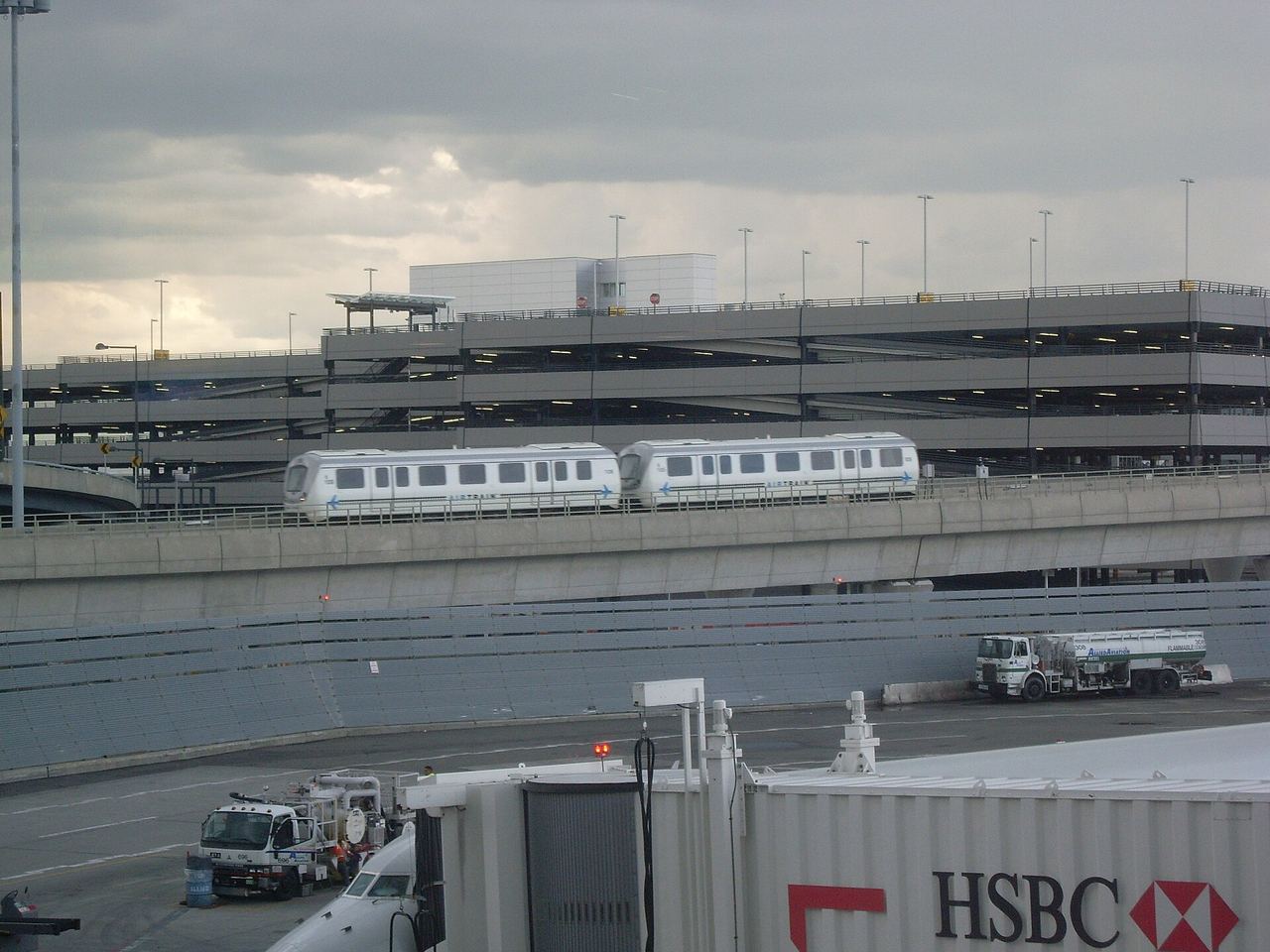
JFK's terminals sit around a central loop. They are physically separate buildings, so there is no airside walkway linking all of them. The AirTrain is the connector, and it runs around the clock.
- Check your terminal on the boarding pass, not on the booking confirmation. Airlines move between terminals more often than people expect.
- Allow 20 to 30 minutes for a terminal change on the AirTrain, plus the time to clear security again.
- The AirTrain is free inside the airport loop. You only pay when you exit at Jamaica or Howard Beach.
- Signage inside terminals is clear, but the walk from the AirTrain platform to a distant gate can add another 10 to 15 minutes.
Getting to the airport
Most passengers reach JFK by taxi, ride-hailing, private transfer, or by combining the subway or Long Island Rail Road with the AirTrain. Traffic is the main variable. Journeys that take 45 minutes at midday can take twice that in the late afternoon.
- Rail plus AirTrain is the most predictable option during rush hour because it avoids the road network entirely.
- Taxis and ride-hailing are simplest with heavy luggage or small children, but budget generously for traffic.
- Airport shuttles and shared vans exist, though they add stops and are rarely faster.
Airport to city: reaching Manhattan
There is no single best route into Manhattan. The right choice depends on your destination neighbourhood, the amount of luggage you carry and the time of day.
| Option | Typical journey | Best for |
|---|---|---|
| AirTrain plus subway | About 60 to 80 minutes | Budget travellers with light luggage |
| AirTrain plus rail to Penn Station area | About 45 to 60 minutes | Midtown destinations, predictable timing |
| Yellow taxi | 35 to 90 minutes depending on traffic | Groups, luggage, late arrivals |
| Private transfer | Similar to taxi | Families, first visits, fixed price certainty |
| Express bus services | Around 60 to 90 minutes | Travellers heading to specific hubs |
Only take yellow cabs from the official taxi rank outside arrivals. Anyone approaching you inside the terminal offering a ride should be declined politely.
Check-in and security
For long-haul departures, three hours before scheduled departure is a sensible target at JFK. For domestic flights, two hours is usually enough outside peak periods, but evening banks of international departures can create long queues at shared checkpoints.
- Most airlines open check-in three to four hours before departure and close it 60 minutes before, sometimes earlier for international routes.
- Bag drop queues are often longer than the security queue, especially between 16:00 and 20:00.
- Liquids in the cabin follow the standard 100 ml container rule at most lanes. Some checkpoints use newer scanners where the rule is relaxed, but do not count on it.
- Laptops, tablets and large electronics usually come out of the bag unless the lane says otherwise.
Lounges
Each terminal has its own lounge landscape, run by airlines, alliances and independent operators. Access usually comes from a premium ticket, elite status, a lounge membership programme or a paid walk-in where capacity allows.
- Lounges are located after security, so you cannot use one in another terminal without changing terminals and re-screening.
- Walk-in access is often sold at the door, but availability drops sharply during the evening departure peak.
- Shower facilities exist in some lounges and are worth asking about after a long inbound flight.
Restaurants and food
Food at JFK ranges from quick counters to full sit-down restaurants, and several terminals have made a point of bringing in New York names rather than generic airport chains. Prices are firmly airport prices.
- Order-at-table tablets are common. They work, but the kitchen can be slow when a wave of flights lands.
- Water fountains and bottle filling stations are available after security in most terminals.
- Late-night options thin out considerably after the last departure bank, so eat before 22:00 if you can.
Wi-Fi and charging
Free Wi-Fi is available throughout the airport. You connect through a short splash page, and the connection is usually good enough for messaging, streaming and airline apps. Power outlets and USB points are built into most seating clusters in the newer gate areas, though older piers have fewer of them.
Baggage storage
JFK is not a straightforward airport for left luggage. Storage services do operate on and around the airport, but they are not present in every terminal and hours vary. If storing bags is central to your plan, confirm the service and its opening times before you travel rather than assuming a counter will be open when you land.
- Ask at your airline's arrivals desk first. Some carriers will hold bags for through-passengers.
- City-based luggage storage networks are an alternative if you are heading into Manhattan for the day.
- Never leave a bag unattended anywhere in the terminal. It will be treated as a security incident.
Airport hotels
There is an on-airport hotel inside the terminal loop, reachable by AirTrain, plus a cluster of hotels a short shuttle ride away in the surrounding area. On-airport is the calmer choice for an early departure or a delayed inbound arrival. Nearby hotels are usually cheaper but add a shuttle wait at both ends.
Sleeping at the airport
JFK is survivable overnight but not comfortable. Terminals are open, though some areas close between the last arrival and the first departure wave, and staff may move people out of quieter corners for cleaning.
- Look for seating without fixed armrests near quieter gates, away from announcement speakers.
- Bring a light layer. Terminals are air conditioned and get cold in the small hours.
- Keep your passport, phone and wallet physically on you, not in a bag beside you.
Family services
Family facilities at JFK are decent, though spread unevenly between terminals.
- Baby changing tables are available in most restrooms, including some designated family restrooms.
- Nursing rooms and private pods exist in several terminals for feeding or expressing.
- Strollers can be taken to the aircraft door and are usually returned at the door or at baggage reclaim depending on aircraft type.
- Small children's play areas exist in a few terminals, but do not plan your layover around finding one.
Accessibility
Wheelchair assistance is provided by the airlines rather than the airport itself, so request it when booking and re-confirm 48 hours before departure. Elevators, accessible restrooms and step-free routes are available throughout, including on the AirTrain.
- Give yourself extra time for terminal changes if you use assistance. Handovers between teams take time.
- Service animals are accepted, with relief areas provided both landside and airside.
- If you need assistance on arrival as well as departure, say so clearly at check-in.
Layover guide
For a domestic-to-domestic connection in the same terminal, 90 minutes is workable. For international arrivals connecting onward, plan on at least three hours because you clear immigration, collect checked bags, re-check them and pass security again.
With eight hours or more, a trip into the city becomes realistic if you have already cleared US entry and your bags are checked through. Read our dedicated layover guide for a timeline that accounts for the return journey.
Things to do nearby
The beaches at Rockaway and the neighbourhoods of Jamaica and Howard Beach are the closest points of interest, reachable in well under an hour. Manhattan takes longer but is genuinely doable on a long layover. Anything requiring timed tickets is a risk when your day ends with a flight.
Frequently asked questions
- How early should I arrive at JFK?
- Three hours for international departures and two hours for domestic flights is a safe rule. Add time if you are checking bags during the late afternoon peak.
- Is the AirTrain free?
- It is free when travelling between terminals inside the airport loop. There is a fare when you exit at Jamaica or Howard Beach to join the subway or rail network.
- Can I change terminals after security?
- No. The terminals are separate buildings, so a terminal change means leaving the secure area and going through screening again.
- Is there luggage storage at JFK?
- Storage services operate on and near the airport but are not available in every terminal and hours vary, so confirm before you rely on it.
Read next
JFK Airport to Manhattan
AirTrain, subway, rail, taxi or private transfer. What each option really costs in time, and which one suits your luggage and arrival hour.
9 min read
8 Hours at JFK
An eight hour connection at JFK sounds generous. After immigration, terminal transfers and re-screening, the usable window is closer to four hours.
8 min read
How Early Should You Arrive at the Airport
Two hours and three hours are averages, not answers. Build your arrival time from the steps your specific trip requires.
7 min read
What Happens When You Miss a Connecting Flight
Missing a connection is normal and usually recoverable. Everything depends on whether the two flights were on one ticket.
8 min read