
Airport to City
JFK Airport to Manhattan
Every realistic way into New York City, compared
The trip from JFK into Manhattan is short in distance and unpredictable in time. Everything depends on the hour, the traffic and how much you are carrying.
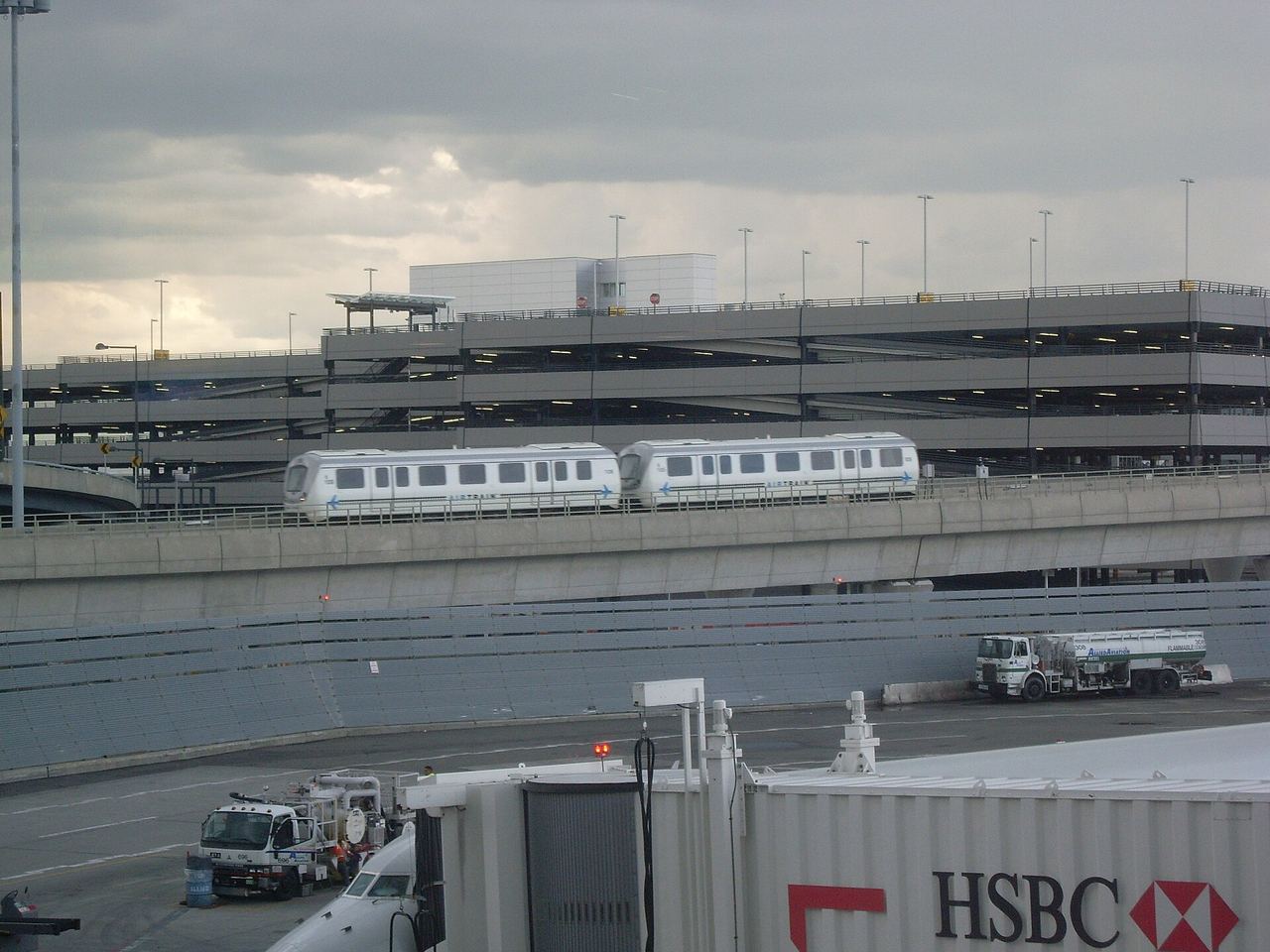
Whatever you choose, the first step is the same: follow signs for AirTrain from your terminal. It is the only way out of the airport that does not involve a road vehicle.
Overview: which option to pick
- Travelling light and watching your budget: AirTrain then subway.
- Heading to Midtown and want predictability: AirTrain then the rail service towards Penn Station.
- Two or more people with suitcases: a taxi is often similar in total cost and much less effort.
- Arriving late at night or with children: pre-booked transfer or taxi.
Rail-based options are immune to traffic, which matters more than raw speed. A taxi that is quick at 22:00 can take 90 minutes at 17:30.
AirTrain: the first step for everyone
AirTrain runs 24 hours, links all terminals and continues to two stations at the airport boundary: Jamaica and Howard Beach. It is free between terminals and charges a fare when you exit at either station.
- Jamaica connects to rail services and to two subway lines. It is the better choice for Midtown.
- Howard Beach connects to a subway line that runs down through Brooklyn and up the west side of Manhattan.
- Trains run every few minutes during the day and less often overnight.
Subway
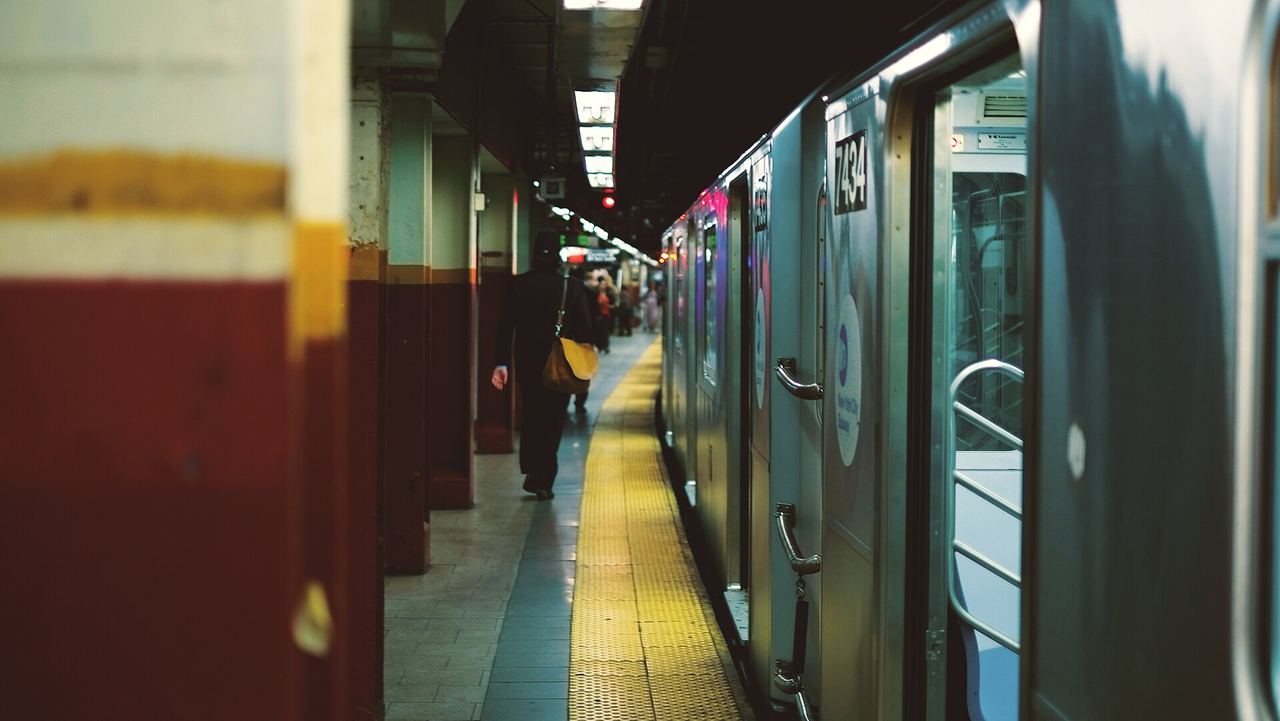
The cheapest route is AirTrain to Howard Beach or Jamaica, then the subway. Total journey time to Midtown is usually 60 to 80 minutes.
- Advantages: lowest cost, runs 24 hours, no traffic risk.
- Disadvantages: stairs at many stations, crowded at rush hour, awkward with large suitcases.
- Best for: solo travellers and couples with carry-on bags.
Rail to the Penn Station area
From Jamaica you can take the commuter rail towards Manhattan. It is faster and more comfortable than the subway, with luggage space and guaranteed seats outside peak hours.
- Journey time from Jamaica is roughly 20 minutes, so about 45 to 60 minutes door to door from the terminal.
- Fares are higher off-peak than the subway but still far below a taxi.
- Tickets bought on board cost more than tickets bought at the station, so buy before boarding.
Taxi
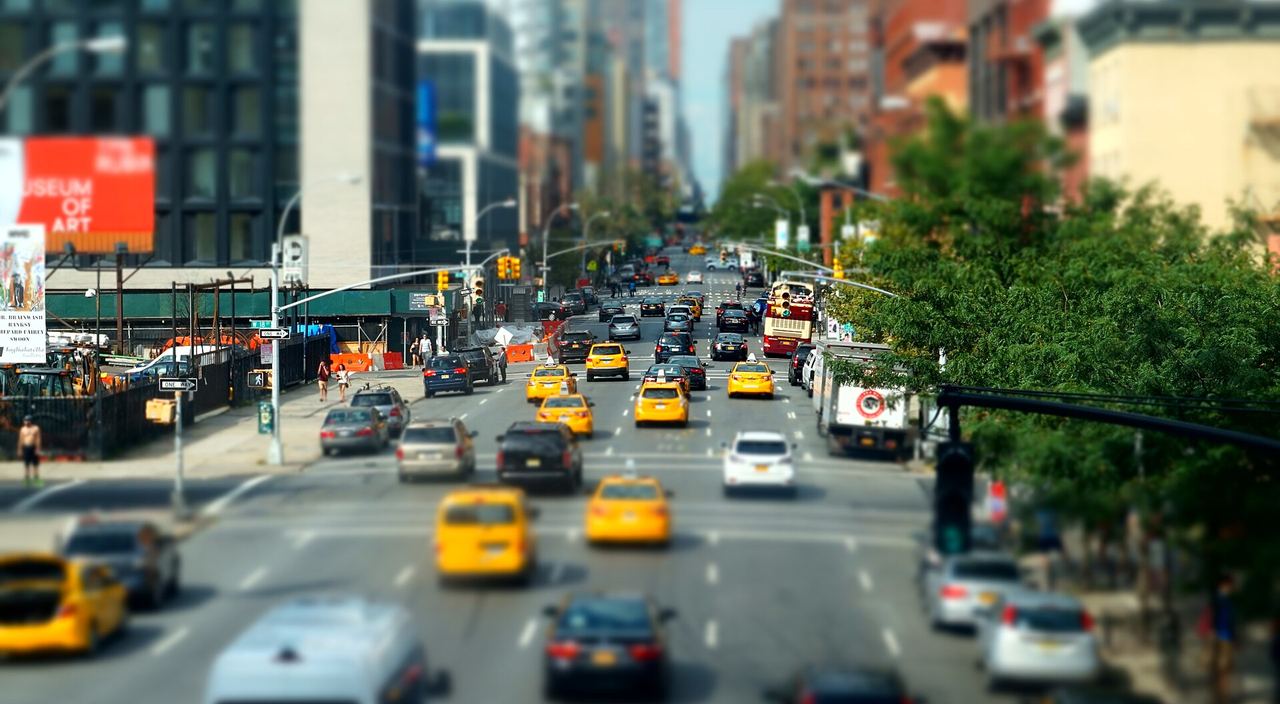
Yellow cabs operate a flat fare between JFK and Manhattan, with tolls, surcharges and tip added on top. That makes the price predictable even when the traffic is not.
- Use the official taxi line outside arrivals. Never accept an offer from someone approaching you inside the terminal.
- Journey time ranges from 35 minutes late at night to over 90 minutes in the afternoon peak.
- Cabs take card payment. Confirm before you set off if you plan to pay by card.
Bus and shuttle services
Express bus and shared shuttle services connect JFK with parts of Manhattan and other boroughs. They are cheaper than a taxi and more comfortable than the subway, but they sit in the same traffic as cars and often make several stops.
Local public buses also serve the airport and are the cheapest option of all, though they are slow and not designed for luggage.
Private transfer and ride-hailing
Pre-booked transfers include a driver waiting in arrivals with your name, which is worth paying for after a long flight or when travelling with children. Ride-hailing apps also work at JFK, with designated pickup zones per terminal.
- Ride-hailing prices surge during peak demand and can exceed the flat taxi fare.
- Pre-booked transfers usually include a waiting period after landing, which protects you if immigration is slow.
- Child seats must be requested in advance. Taxis do not carry them.
Late night travel
AirTrain runs all night, and the subway operates 24 hours, though frequencies drop sharply and some services run different routes overnight. Commuter rail becomes infrequent after midnight.
If you land after 23:00, a taxi or pre-booked car is usually the sensible choice, particularly if you are alone or unfamiliar with the city.
Families and accessibility
- AirTrain is step-free with lifts at each station, and there is room for pushchairs.
- Not every subway station has a lift, so check your destination station before choosing the subway with heavy bags.
- Wheelchair accessible taxis are available at the airport rank on request.
- For families with young children, a pre-booked transfer with car seats removes the biggest source of stress.
Cost comparison
We do not publish exact prices because fares and surcharges change. As a general ranking from cheapest to most expensive: local bus, AirTrain plus subway, AirTrain plus commuter rail, express bus, taxi, private transfer. The gap between the subway route and a taxi is large, but it narrows quickly when three or four people travel together.
Frequently asked questions
- What is the fastest way from JFK to Manhattan?
- AirTrain to Jamaica and then commuter rail is usually fastest and most predictable at around 45 to 60 minutes. A taxi can beat it late at night.
- Is the AirTrain included in the subway fare?
- No. The AirTrain has its own fare payable when you leave at Jamaica or Howard Beach, and the subway fare is separate.
- How much does a taxi from JFK to Manhattan cost?
- Yellow cabs use a flat fare to Manhattan plus tolls, surcharges and tip. Confirm the current rate at the official taxi stand.
- Can I get from JFK to Manhattan at 3am?
- Yes. AirTrain and taxis run around the clock and the subway operates overnight, although less frequently.
Read next
JFK Airport Guide
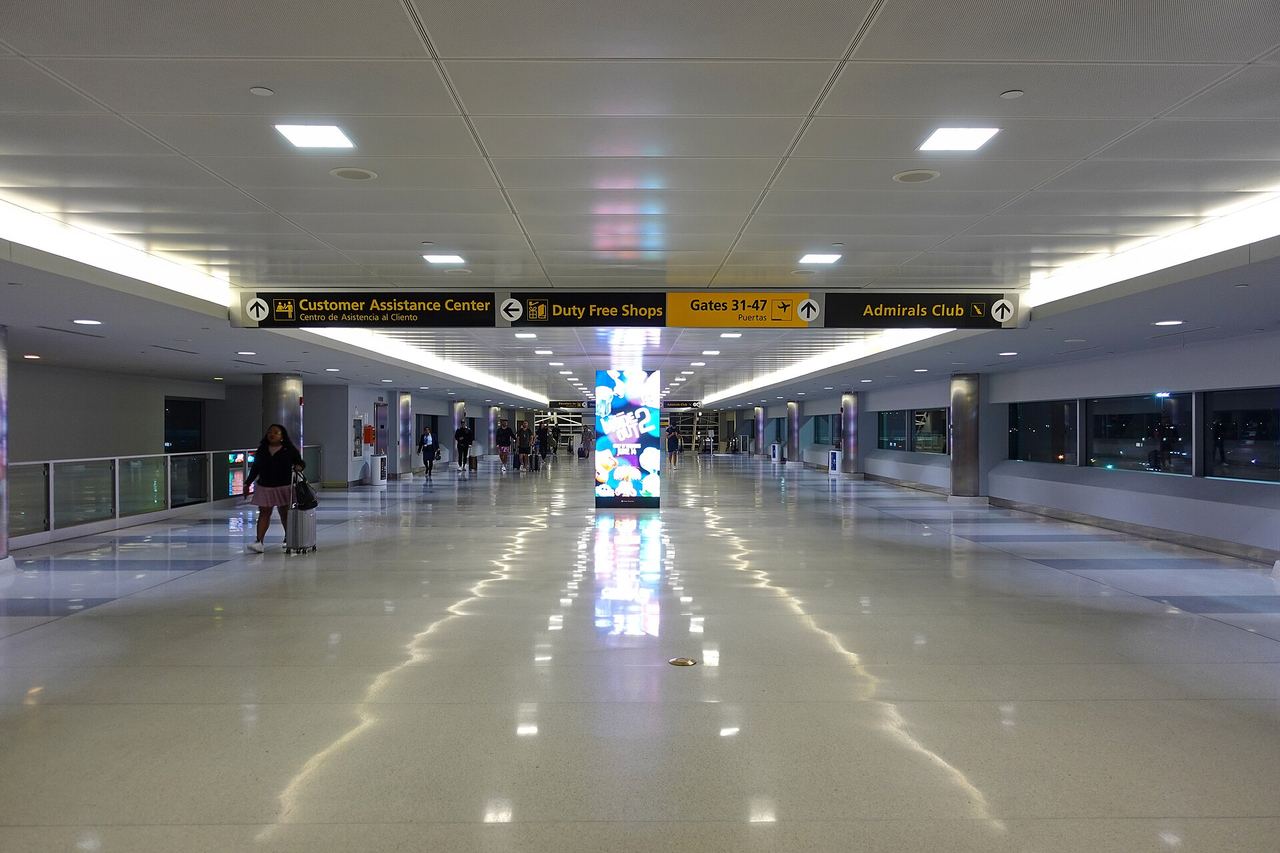
Terminals, AirTrain connections, security timing, lounges, baggage storage and what to expect on a connection at New York JFK.
11 min read
8 Hours at JFK
An eight hour connection at JFK sounds generous. After immigration, terminal transfers and re-screening, the usable window is closer to four hours.
8 min read
How Early Should You Arrive at the Airport
Two hours and three hours are averages, not answers. Build your arrival time from the steps your specific trip requires.
7 min read
What to Do When Your Flight Is Delayed
Delays are procedural problems. Knowing who to ask, what to keep and when to act turns a lost day into a manageable inconvenience.
8 min read